- Authors

- Name
- 오늘의 바이브
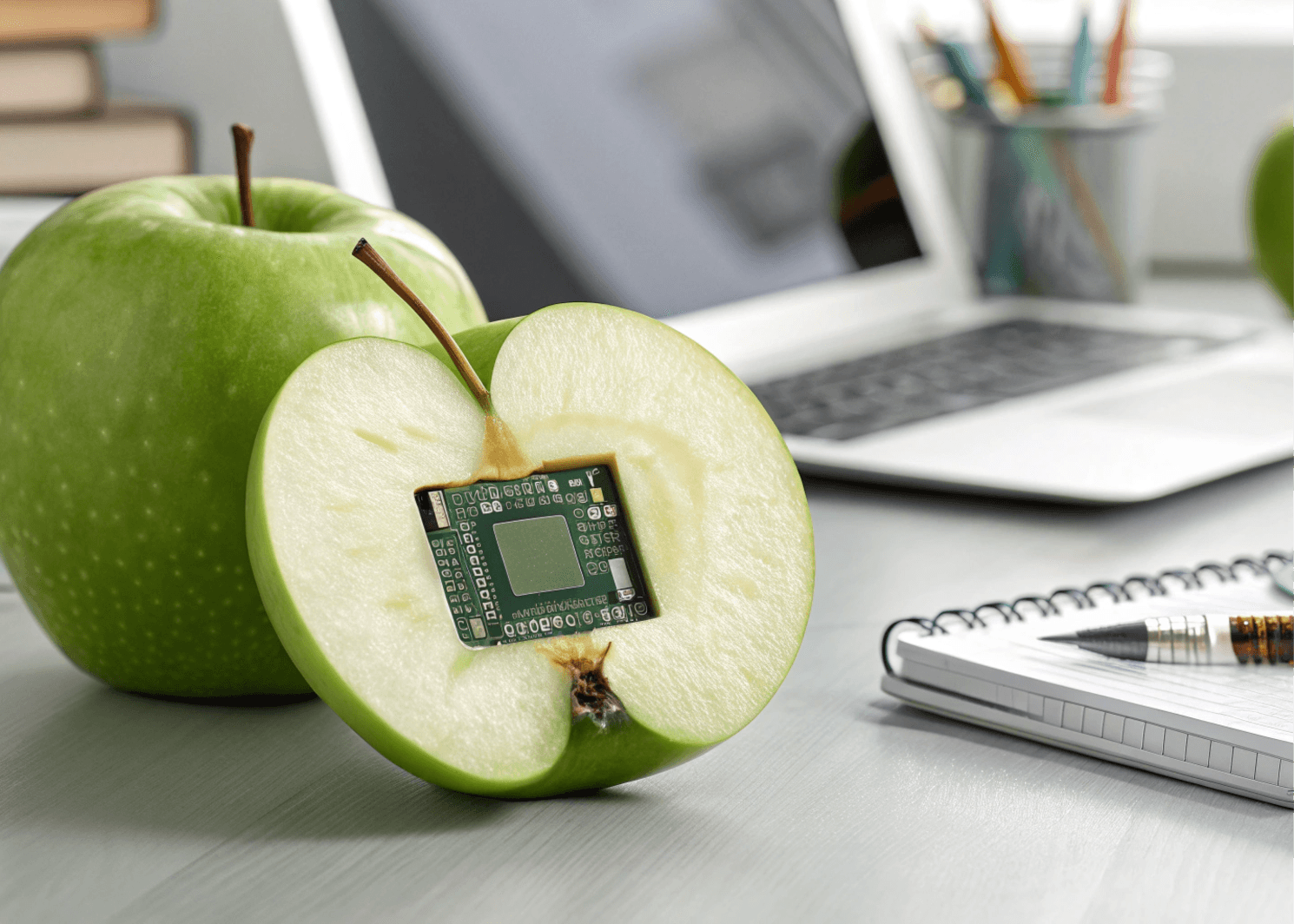
What Apple Didn't Build
Apple designs its own chips. It builds its own OS. Its own browser engine, compiler, and IDE. And yet, when it came to AI coding tools, Apple built nothing.
Xcode 26.3 RC is out. The biggest change is the native integration of Anthropic's Claude Agent SDK and OpenAI's Codex. If you're an Apple Developer Program member, you can use them right now.
Under the Siri Intelligence umbrella, Apple added summarization, translation, and image generation to its OS. But coding AI? They didn't build one. They plugged in someone else's.
What Changed in Xcode 26.3
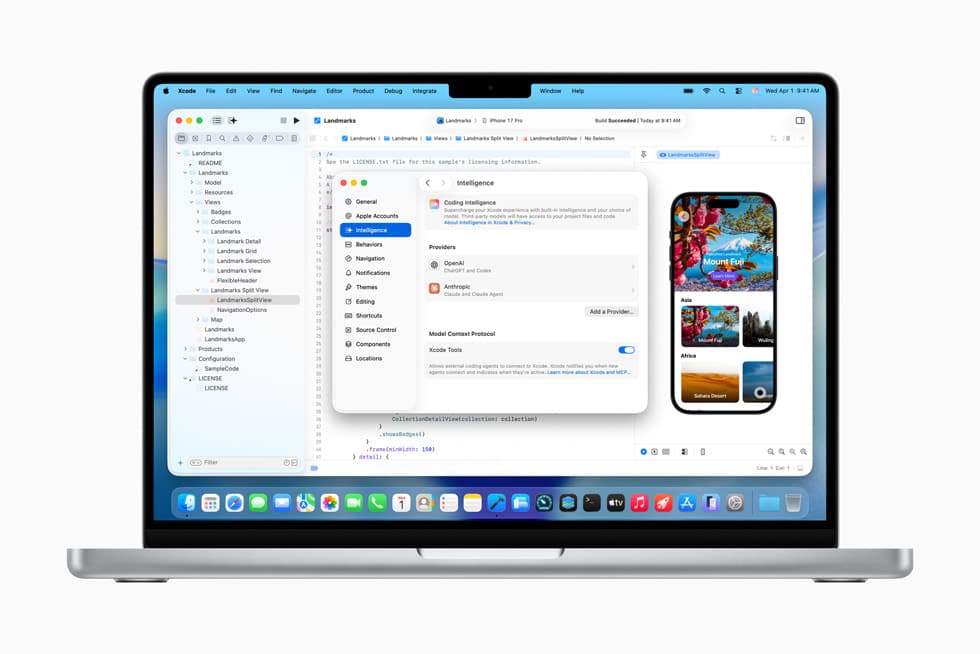
The centerpiece is a new settings panel called Xcode Intelligence. This is where you pick your AI provider. Choose between Anthropic (Claude) and OpenAI (Codex), enter your API key, and you're in. There is no Apple-made model.
Turn on agent mode and Claude Agent runs directly inside Xcode. It uses the same harness as Claude Code. This isn't autocomplete. It's an agent that understands your project, edits files, builds, and runs tests.
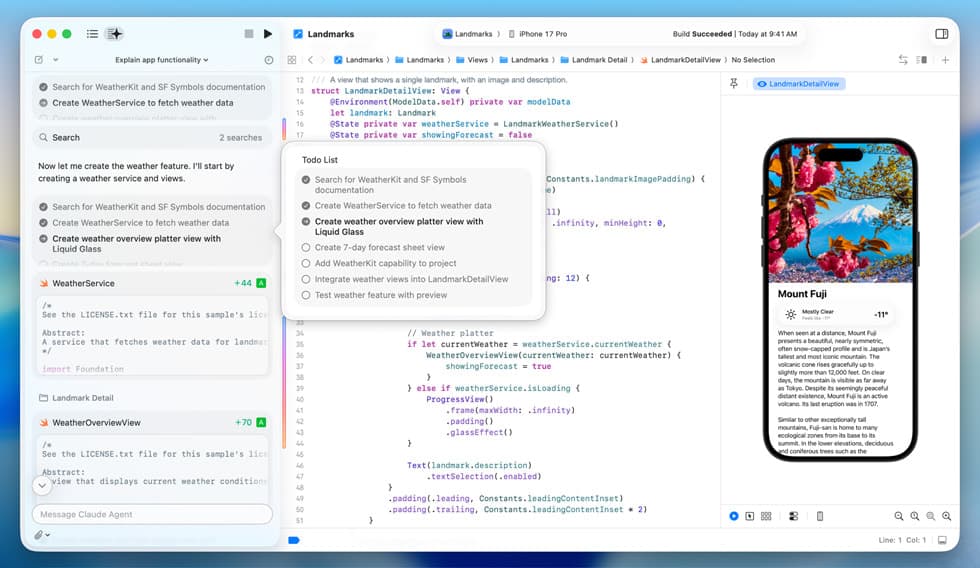
Here's what the agent can do:
- Browse and edit files -- reads and modifies files across your project
- Capture Xcode Previews -- takes screenshots of SwiftUI previews so the agent can "see" the UI
- Build and test -- triggers builds and runs tests via xcodebuild
- Reference Apple docs -- uses official Apple documentation as context
- Modify project settings -- changes Build Settings, Signing, and other configurations
- Auto-checkpoint -- creates rollback points every time it makes a change
There are limits. The agent can't independently access the debugger, and you can't run multiple agents at the same time.
Why Not Their Own AI
It's not that Apple couldn't build a coding AI model. M-series Neural Engine, decades of compiler expertise, the world's largest developer ecosystem -- they have the resources.
But the coding AI race is already brutal. Anthropic's Claude ranks near the top on SWE-bench. OpenAI's Codex pioneered GPT-based code generation. Google has Gemini. Rather than jumping in now and playing catch-up, deeply integrating proven models into their own IDE delivers faster value to developers.
Siri Intelligence is general-purpose AI. Text summaries, notification management, image descriptions. It works well, but coding is a different beast. Coding AI needs to learn from millions of lines of open-source code, understand compiler errors, and maintain project context. That's a fundamentally different problem from the small on-device models Apple has been investing in.
Why MCP Is the Real Story
The agent integration in Xcode 26.3 is built on MCP (Model Context Protocol) -- an open standard proposed by Anthropic.
What MCP does is straightforward. It exposes Xcode's capabilities -- file system, build system, previews, documentation -- to agents through a standardized protocol. Agents interact with the IDE through this protocol.
Here's why that matters. It means Apple isn't locked in to any single AI company. Today it's Claude and Codex. Tomorrow, if a better model shows up, Apple can swap it in as long as it speaks MCP. Apple opted out of the AI model race, but it controls the platform where AI agents operate.
This is what Apple has always done. Design the chip yourself, but let third parties build the apps. This time: build the AI platform yourself, but let third parties build the AI models.
What This Means for Vibe Coders
Until now, vibe coding mostly happened in third-party IDEs like Cursor and Windsurf, or by running Claude Code directly in the terminal. iOS and macOS developers who live in Xcode had limited options.
Xcode 26.3 changes that. Agentic coding is now possible in Swift and SwiftUI development. The Xcode Preview capture feature is particularly noteworthy -- the agent can modify UI, capture the preview, check the result, and iterate. That kind of visual feedback loop was difficult with terminal-based agents.
There are practical caveats, though. Requiring an API key means there's a separate cost. Claude API charges per token. So does Codex. Unless Apple bundles its own model, this isn't free.
Maybe Apple Didn't Lose -- Maybe It Won
What Apple gave up is the AI coding model competition. What it kept is control over the developer experience.
No matter how good Cursor gets, it can't replace Xcode's Interface Builder, Instruments, SwiftUI Preview, or the tight integration with Apple's official documentation. Apple knows this. Use someone else's model, but make sure it runs in your environment.
Choosing MCP as an open standard is also calculated. Apple avoids lock-in to any one AI company while becoming the platform for the AI agent ecosystem. Just like the App Store became the platform for the app ecosystem.
Maybe this is the most Apple answer possible. Invite someone else's AI onto your platform, but make sure you're the one writing the rules.
Sources: