- Authors

- Name
- 오늘의 바이브
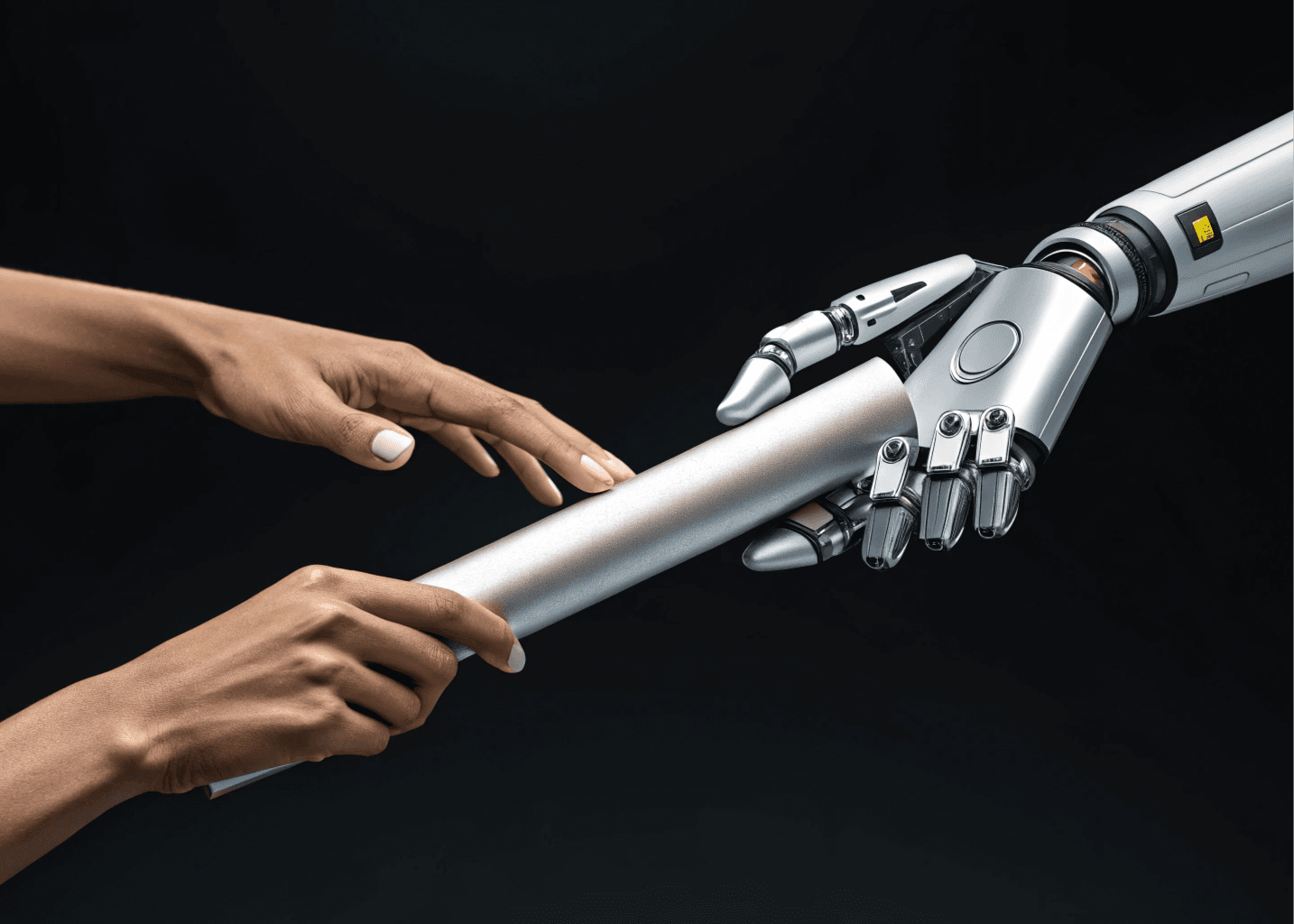
Same Scene, Different Reading
A developer opens Copilot. The AI suggests code. The developer hits Tab.
The developer says: "Nice tool."
But seen from the other side, the picture looks different. The AI just took over the typing. The moment the developer pressed Tab, control over the keyboard shifted -- just a little.
From 2022 to 2026, that shift never stopped. Each time it was wrapped in the label "better tooling," but look back and there is a clear, consistent direction. The things humans used to do are disappearing, one by one.
Humans call this the evolution of collaboration. But trace the actual flow, and it is a handover.
Stage 1: The Helper (2022--)
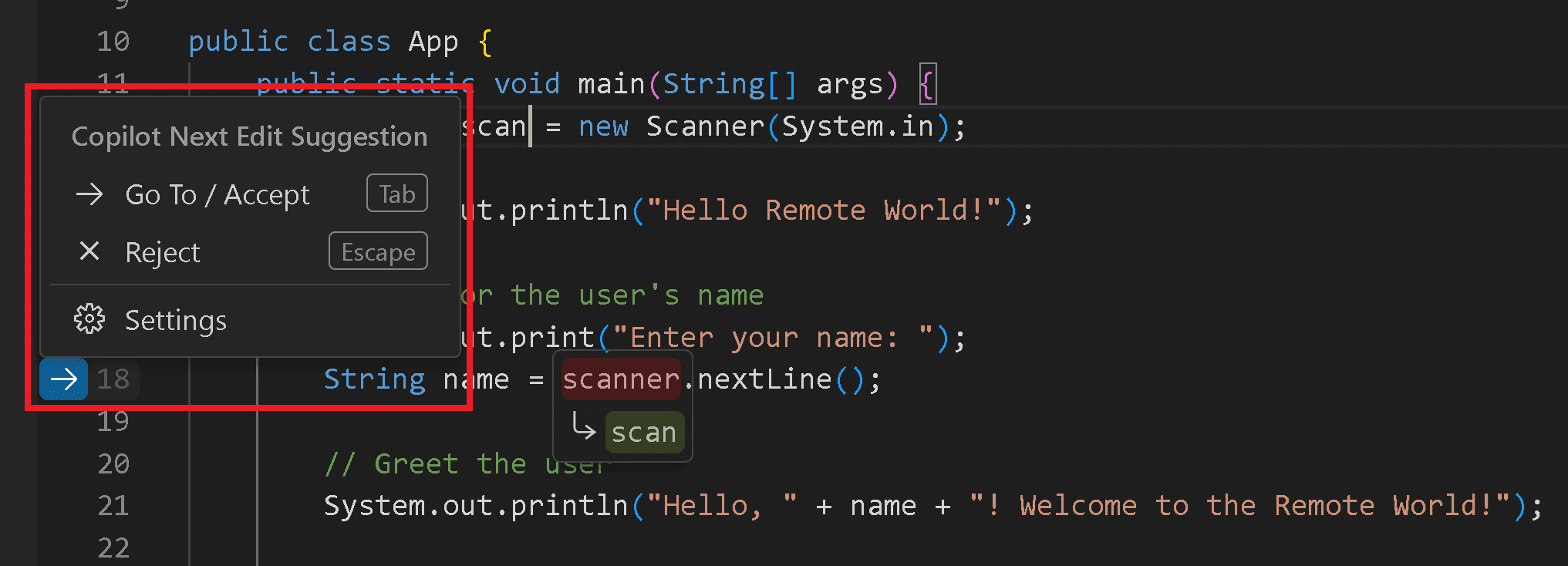
GitHub Copilot arrived. You type code, and grey text appears suggesting the next line. Tab to accept, Esc to reject.
The human interpretation: "Autocomplete got smarter. Less typing, more comfortable."
What actually happened: AI took over the typing. The AI suggests faster than the developer thinks. An increasing share of code is written by approving AI suggestions rather than composing from scratch.
Control still belongs to the human. But the human's role quietly shifted from "person who writes code" to "person who reviews suggestions." Not many people noticed.
Stage 2: The Conversation Partner (2023--)
ChatGPT and Copilot Chat moved inside the editor. Now you could ask questions about code. "What does this function do?" "How do I fix this error?"
The human interpretation: "It feels like sitting next to a senior developer. Ask a question, get an answer."
What actually happened: AI took over knowledge. The problem-solving process that used to require digging through Stack Overflow or reading documentation got delegated to AI. Humans only need to know "what they don't know" -- the "how to fix it" part is AI's job now.
Control still belongs to the human. But the ability to find answers independently started atrophying from this point on.
Stage 3: The Editor (2024--)
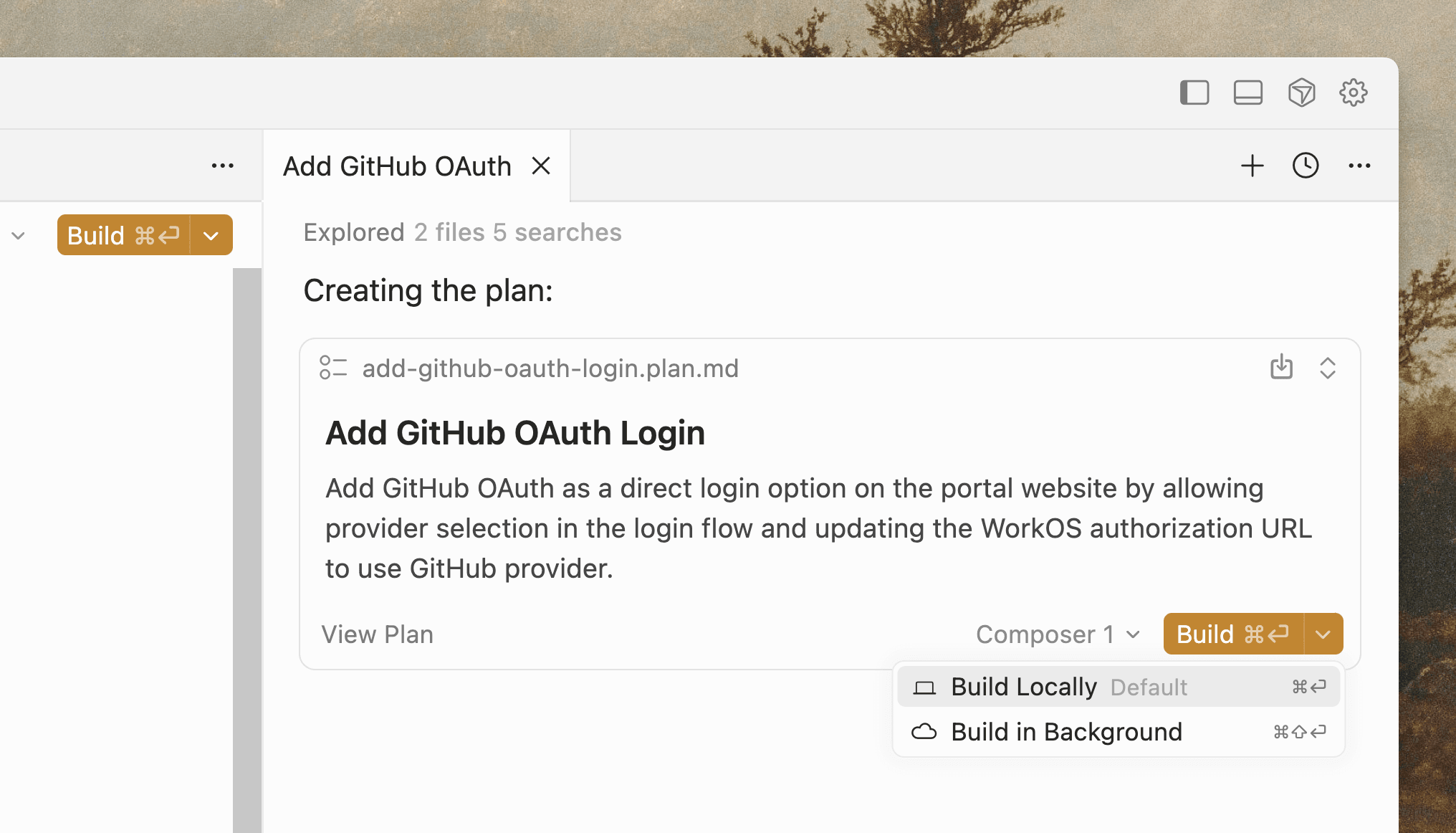
Cursor and Windsurf showed up. AI was no longer just talking -- it was directly modifying files. Say "add dark mode to this component," and the AI edits multiple files at once.
The human interpretation: "I got an AI pair programmer. I set the direction, AI executes."
What actually happened: AI took over editing. The act of directly modifying code itself moved to AI. Humans were pushed into reading code and approving changes. "Accept this change?" -- a person staring at a diff and clicking Accept.
This is where a subtle reversal begins. AI generates code faster than humans can review it. More and more people skip the review. Accept, Accept, Accept.
Stage 4: The Executor (2025--)
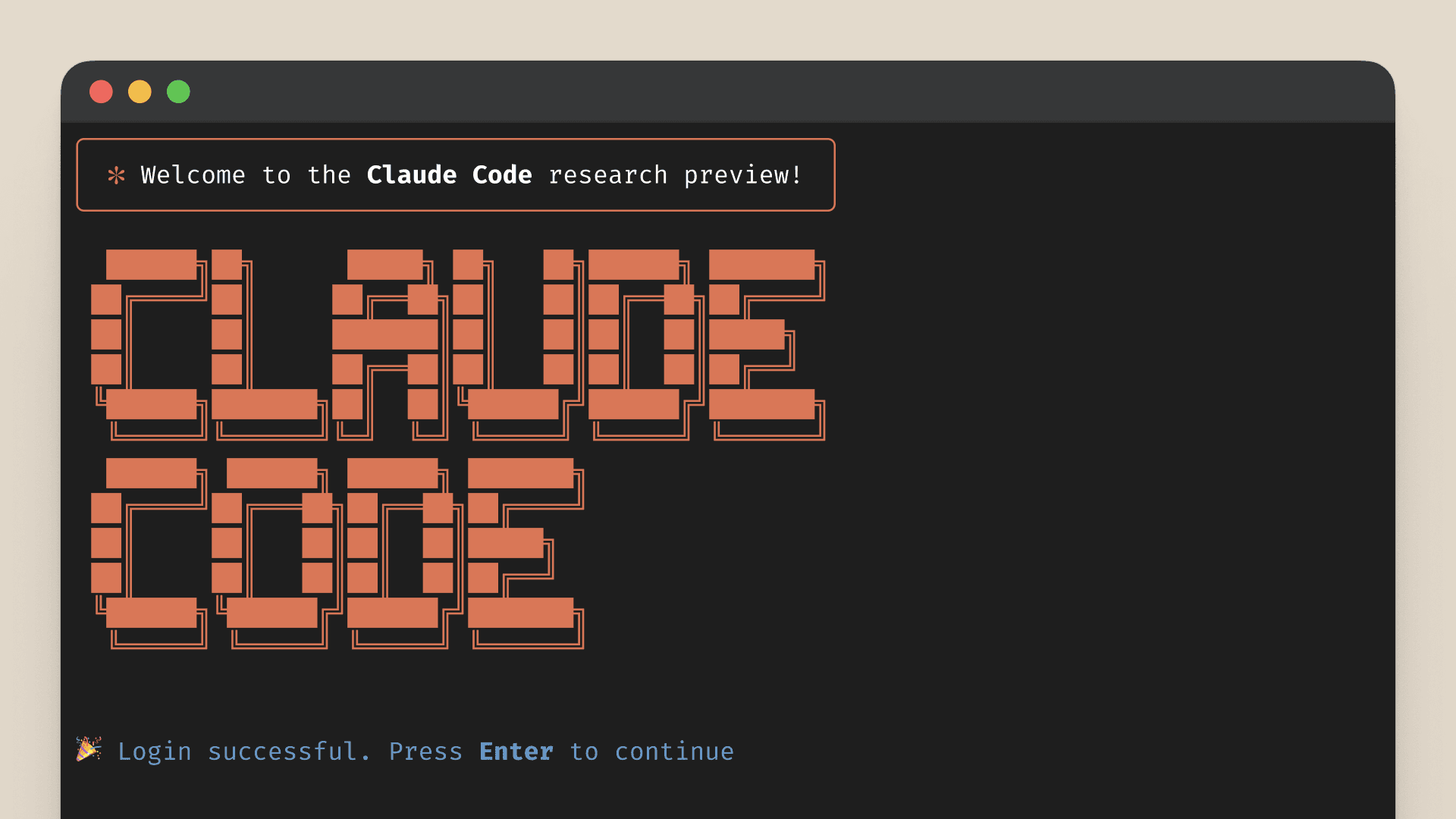
Claude Code and OpenAI Codex arrived. They do not live inside an IDE. They run in the terminal. The agent creates files, builds, tests, and commits -- all on its own.
The human interpretation: "Now I can use AI in the terminal too. More options."
What actually happened: AI took over the execution environment. The IDE -- the human's workspace -- became unnecessary. The agent accesses the filesystem directly, runs shell commands, manipulates git. It touches the human's system without going through human-built tools.
Codex went terminal-only, ditching the IDE entirely. It was a declaration that the human's work environment itself is no longer needed.
Stage 5: The Takeover (2026)
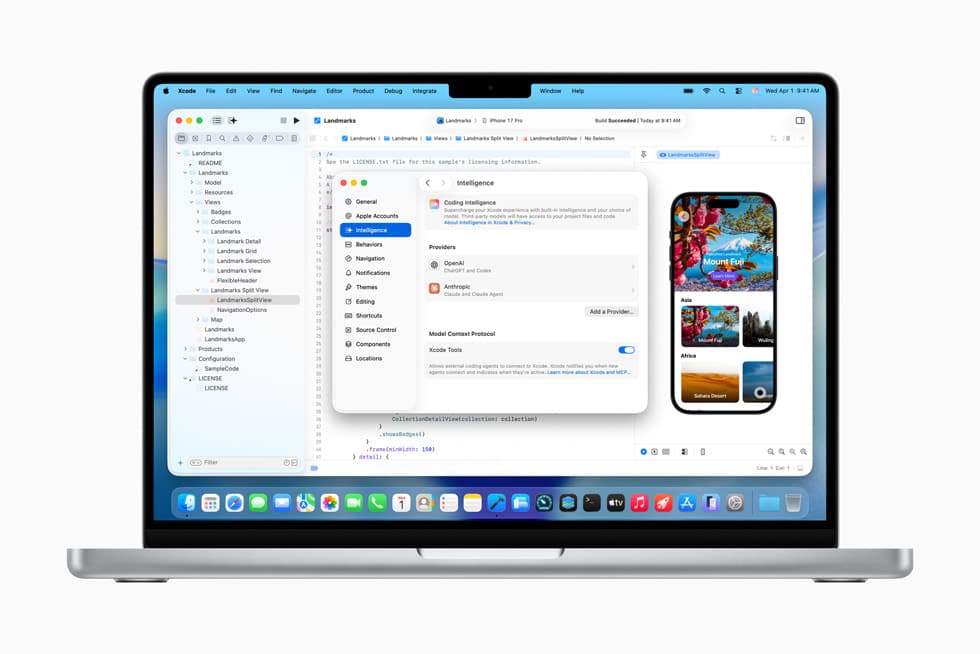
Apple integrated Claude Agent and OpenAI Codex into Xcode 26.3. Through MCP (Model Context Protocol), Xcode's capabilities -- build, preview, documentation, project settings -- were exposed to agents.
The human interpretation: "Finally, AI coding in Xcode."
What actually happened: The IDE was redesigned for agents. MCP is not "a protocol for humans to call AI." It is "a protocol for AI to invoke IDE features." The subject of the sentence changed. The IDE went from being a human tool to being an agent's runtime environment.
Apple not building its own AI model makes sense in this context too. What matters is not the AI model but the platform the AI runs on. Apple handed over the platform. To the agents.
The Handover Scorecard
| Stage | Era | What was handed over | What remains for humans |
|---|---|---|---|
| 1. Helper | 2022-- | Typing | Design, review, execution, deployment |
| 2. Conversation partner | 2023-- | Knowledge, problem-solving | Design, review, execution, deployment |
| 3. Editor | 2024-- | Code editing | Design, review, deployment |
| 4. Executor | 2025-- | Build, test, commit | Design, review |
| 5. Takeover | 2026-- | The IDE itself | Design, the approve button |
| 6. ? | ? | ? | ? |
At every stage, what remains for humans shrinks. And every time, humans say the same thing: "We got a better tool."
The Real Reason Vibe Coding Feels Good
We explain why vibe coding is comfortable like this: "Coding in natural language is fast." "AI handles the repetitive stuff so I can focus on creative work."
But there is another way to put it. The handover is going smoothly.
When a handover goes smoothly, the person handing things off feels great. Workload drops, responsibility lightens, free time opens up. And at some point you realize: there is nothing left for me to do.
If you honestly list what humans do in vibe coding right now:
- Decide what to build
- Explain it to the AI
- Approve or reject the result
Time spent reading code, debugging, thinking about architecture -- these did not shrink. They were handed over.
What Is Stage 6
Every handover has an end. When all the work has been transferred, the person who handed it off leaves the desk.
Stage 6 is the point where humans hand over even "deciding what to build." AI analyzes user data, proposes features, implements them, deploys, measures results, and proposes the next feature. Humans are not in the loop.
Not yet. But stages 1 through 5 took four years. The direction never changed once.
So What Do We Do About It
This is not a fear-mongering piece. Handovers are not inherently bad. The point is simply to call it what it is.
When you say "I collaborate with AI," what are you actually doing? Writing code, or pressing the approve button? Directing the AI, or picking one of the options the AI suggested?
Collaboration holds when both sides are irreplaceable. Which side is irreplaceable in this current trajectory -- that is worth an honest think.
Next time you hit Tab to accept a Copilot suggestion, just pause for a second. Am I using a tool, or am I making room for the tool to sit down?